Cessna Nose Gear Strut Assembly: Front Landing Gear Maintenance Solution
Cessna Nose Gear Strut Assembly: Front Landing Gear Maintenance Solution
Blog Article
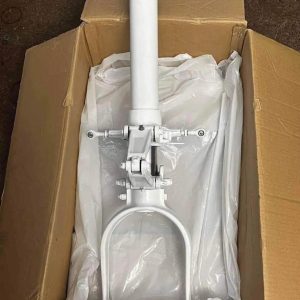
The Cessna Nose Gear Strut Assembly may serve as a replacement, overhaul, restoration, maintenance, or spare-inventory component when its exact part number, configuration, condition, and applicability are confirmed.
A Cessna Front Landing Gear Assembly Cessna Nose Landing Gear Strut may form part of a broader Cessna Nose Gear Assembly, while the phrase Cessna Landing Gear Strut can describe different positions or configurations depending on the aircraft model.
Clear descriptions help buyers determine whether the listing includes a complete assembly, partial strut, housing, piston, fork, or related hardware.
The Cessna Landing Gear Assembly functions as a coordinated system, while the Aircraft Landing Gear Strut should not be evaluated separately from its mounts, steering, wheel, tire, and surrounding structure.
Accurate product information supports responsible purchasing and reduces installation delays.
Reviewing the Cessna Front Gear Configuration
A unit should not be accepted as compatible solely because it came from an aircraft within the same general Cessna family.
Included items may vary and can involve the strut body, piston, fork, axle, torque links, steering collar, seals, bearings, spacers, hardware, wheel, or tire.
Structural Support and Aircraft Load Management
The strut must manage those loads without excessive looseness, binding, deformation, leakage, or structural distress.
Repeated hard landings, runway excursions, towing incidents, shimmy, improper servicing, corrosion, and maintenance errors can affect both the strut and nearby structure.
Understanding the Cessna Shock Strut Assembly
The exact method may involve hydraulic fluid, compressed gas, seals, metering features, mechanical components, or a combination determined by the aircraft design.
Incorrect pressure or fluid quantity can influence ground clearance, steering, ride quality, and structural loading.
Inspecting Steering Links and Torque Components
The nose gear may interact with the aircraft steering system through collars, torque links, rods, springs, cables, stops, bushings, or other model-specific mechanisms.
Steering stops should remain intact and correctly adjusted so the nose wheel does not exceed approved travel limits.
Avoiding Universal Cessna Fitment Claims
The phrase Cessna Nose Gear Strut Assembly should not be interpreted as compatibility with every Cessna aircraft.
Cross-reference information should be verified carefully and should include any required supersedures or installation changes.
Inspecting for Scoring, Pitting, and Wear
The strut cylinder and piston surfaces should be examined for scoring, corrosion, pitting, scratches, impact marks, discoloration, and evidence of improper tool use.
The cylinder bore, piston diameter, and relevant clearances may require professional measurement.
Seal Condition and Fluid Leakage
A small film of fluid and an active leak should be distinguished using applicable maintenance guidance.
Seal grooves, backup rings, scrapers, and retaining components should be checked when the assembly is opened.
Maintaining Protective Finishes
Pitting depth, location, and remaining material can influence repairability or replacement decisions.
Fastener holes, fork transitions, cylinder ends, and welded or machined areas deserve close attention.
Inspecting High-Stress Areas
Professional evaluation is appropriate when impact history is known or uncertain.
Straightening, welding, machining, or other repair history should be documented.
Evaluating Fork Alignment and Axle Condition
A complete strut listing should state whether the fork, axle, spacers, wheel, bearings, tire, and hardware are included.
Wheel bearings, seals, spacers, and retaining hardware should be evaluated separately rather than assumed serviceable because they are attached to the assembly.
Evaluating Wear and Side Play
Torque links and related pivot components help maintain alignment between moving portions of many nose gear strut designs.
Pivot points should move freely without binding while remaining within acceptable play limits.
Understanding Ground Vibration Causes
Replacing the strut assembly alone may not correct the concern if other components remain defective.
Measurements and operational checks should support the maintenance decision.
Understanding Strut Inflation Procedures
Values from another Cessna model should not be applied without verification.
Extension should be evaluated under the loading condition specified by applicable maintenance data.
Documenting Landing Gear Repair Work
The exact scope should be defined in the work records rather than assumed from the word overhauled.
Some components may be repairable while others require replacement.
Cessna Front Gear Condition Review
A pre-purchase review should confirm the exact part number, configuration, aircraft applicability, serial markings, dimensions, included components, removal reason, condition, repair history, and documentation.
- Request detailed photographs of the cylinder, piston, chrome surface, fork, axle, mounting areas, torque links, steering collar, bushings, seals, data markings, and included components.
- Inspect or document corrosion, cracks, bends, scoring, pitting, leakage, chrome damage, worn bushings, loose pivots, elongated holes, damaged threads, fork alignment, and previous repairs.
- Inspect and photograph the assembly immediately after delivery before cleaning, servicing, disassembling, repairing, painting, or installing it.
Shipping the Cessna Nose Gear Assembly
Professional packaging helps preserve the condition of the Aircraft Nose Gear Strut.
The receiver should inspect the crate for impact, puncture, water exposure, or shifting before opening.
Protecting the Cessna Nose Strut
Openings should remain protected from contamination.
Extended storage may require renewed inspection, seal evaluation, cleaning, servicing, and corrosion review before installation.
Completing Wheel and Strut Alignment
The technician should verify the part number, aircraft applicability, mounting points, dimensions, hardware, steering links, torque components, wheel fork, axle, and servicing requirements.
The strut should align correctly with the aircraft structure, steering system, wheel, fork, and torque links without binding or abnormal side loading.
Any abnormal indication should receive prompt evaluation before further operation.
Reducing Landing Gear Wear
Routine maintenance should include inspection of the piston, cylinder, seals, fluid leakage, extension, fork, axle, wheel, tire, bearings, torque links, steering parts, fasteners, and mounting structure.
Preventive care protects the aircraft, occupants, and landing-gear components.
Choosing a Documented Aviation Component
Assemblies with clear photographs, complete records, transparent removal history, and identified components are easier for professional buyers to assess.
Buyers should compare complete and documented packages rather than price alone.
Choosing the Cessna Nose Gear Strut Assembly
When thoroughly evaluated and correctly installed, the Cessna Nose Gear Strut Assembly can become a valuable component within the aircraft’s complete landing-gear system.
Buyers should request current photographs, accurate measurements, transparent condition information, professional inspection details, protected freight arrangements, secure transaction terms, and qualified maintenance review.
Whether the assembly is purchased for maintenance, overhaul, restoration, spare inventory, resale, or an aircraft project, transparent information and qualified oversight provide the strongest foundation.
With transparent records, protected shipping, correct steering and mounting compatibility, careful alignment, and appropriate maintenance, the Cessna nose gear can support a professional repair project.
Report this page